
Exploring the experience of professionals
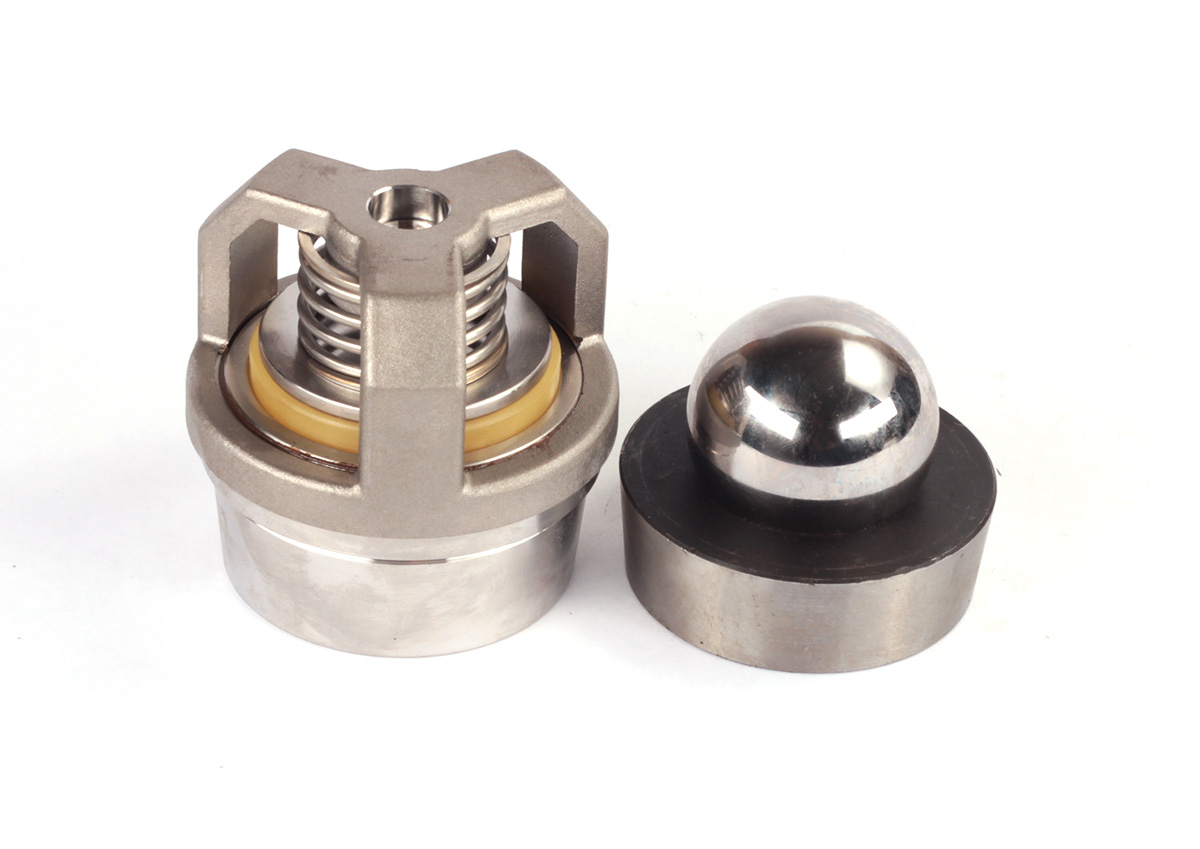
The performance of a bentonite pump directly depends on the reliability and correct selection of valves. They are responsible for one-way fluid flow and maintaining stable pressure in the system. The two most common types on the market are disc and ball valves. In this article, we will analyze their features, compare advantages and disadvantages, and see which solutions are recommended by professionals in drilling and HDD.
Ball valve: reliability under abrasive loads
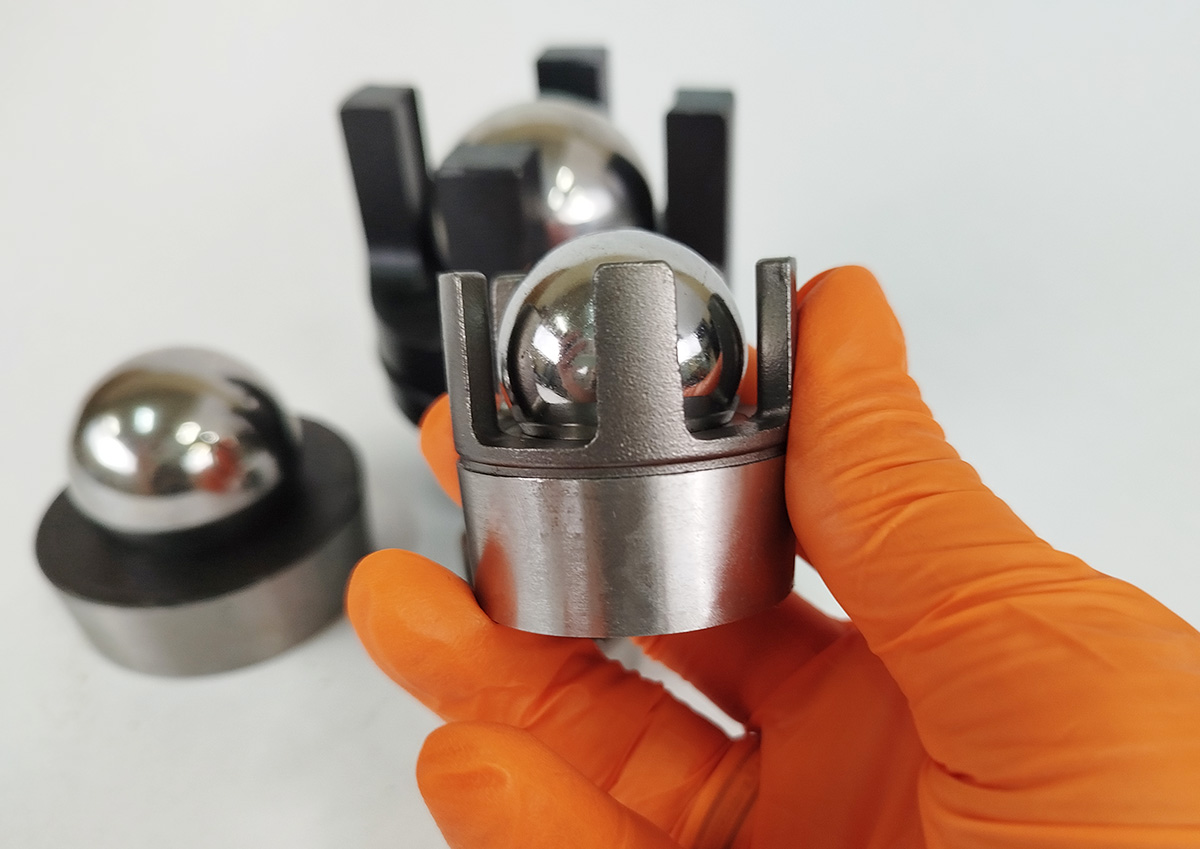
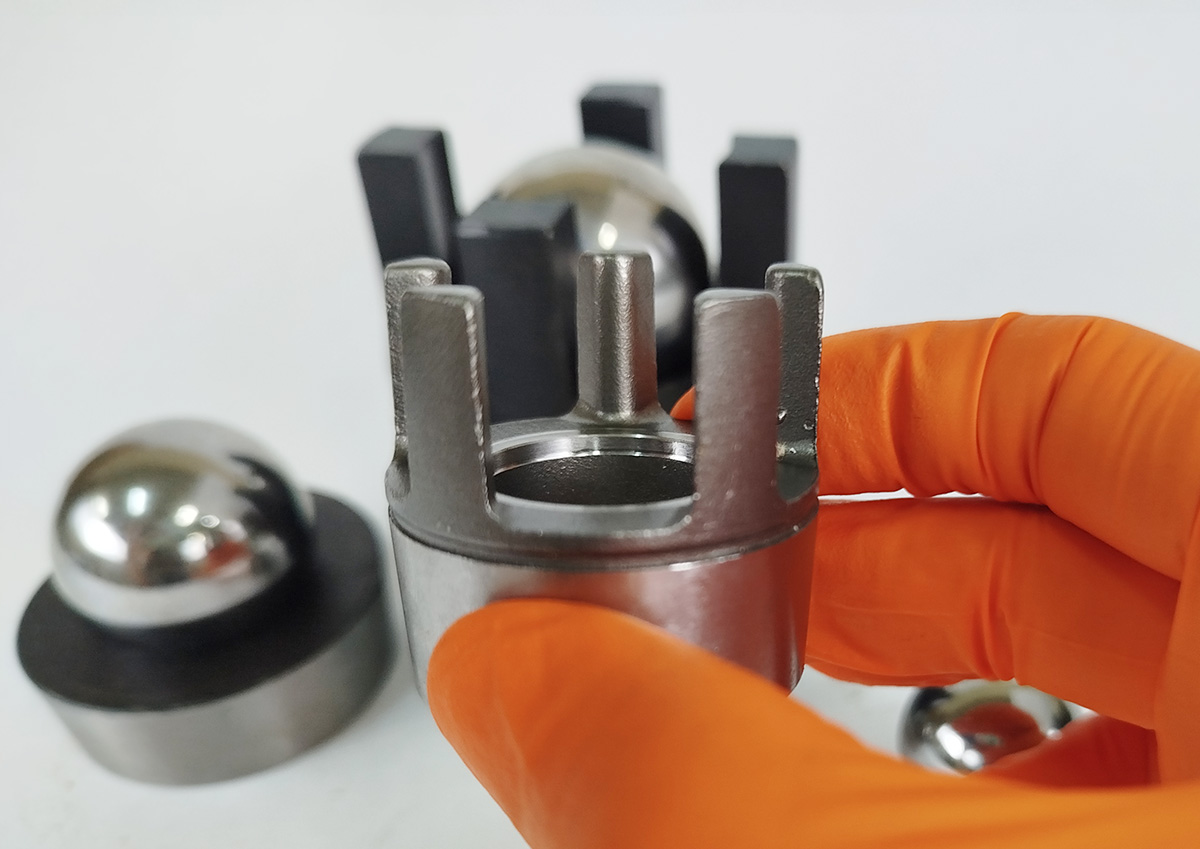
The ball valve uses a ball as the locking element, which is pressed against the seat by the fluid pressure.
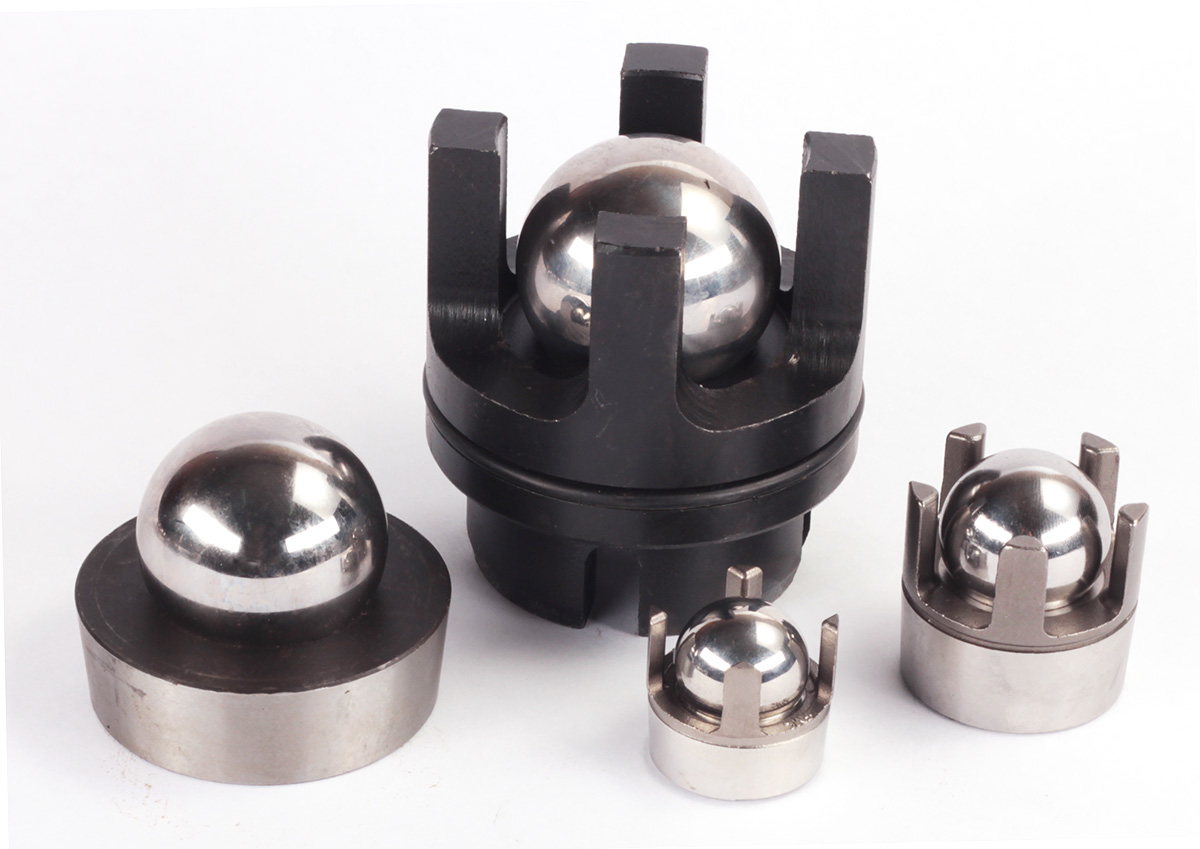
Its strong points:
- Simple and reliable design;
- Resistance to abrasive wear when working with thick bentonite slurries;
- High maintainability — the ball or seat can be quickly replaced;
- Effective pressure retention during sudden flow fluctuations.
Field experience shows that ball valves withstand aggressive conditions better: large particles, high density, and large volumes of pumped fluid. Therefore, they are often recommended for HDD drilling in heavy soils and when laying long pipelines.
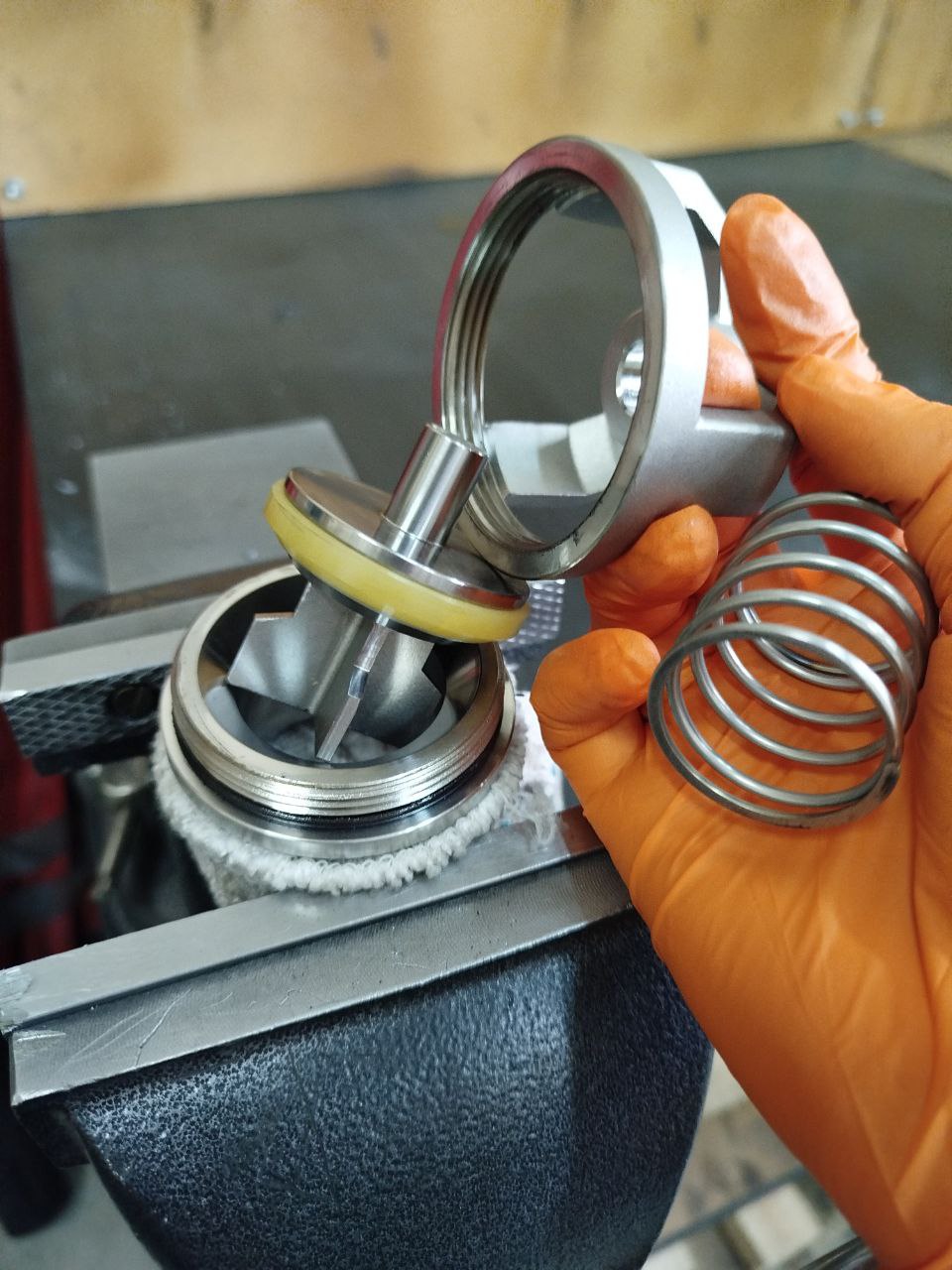
But there is also a weak point: the valve is made of cast iron, and during geological exploration drilling with a high content of abrasive particles, one of the valve crowns gradually wears out (with a photo indicating where) and the crown breaks. As a result, fragments can enter the cylinders and damage moving parts.
Therefore, it is important to check the condition of valves at the beginning of drilling operations.
Disc valve:
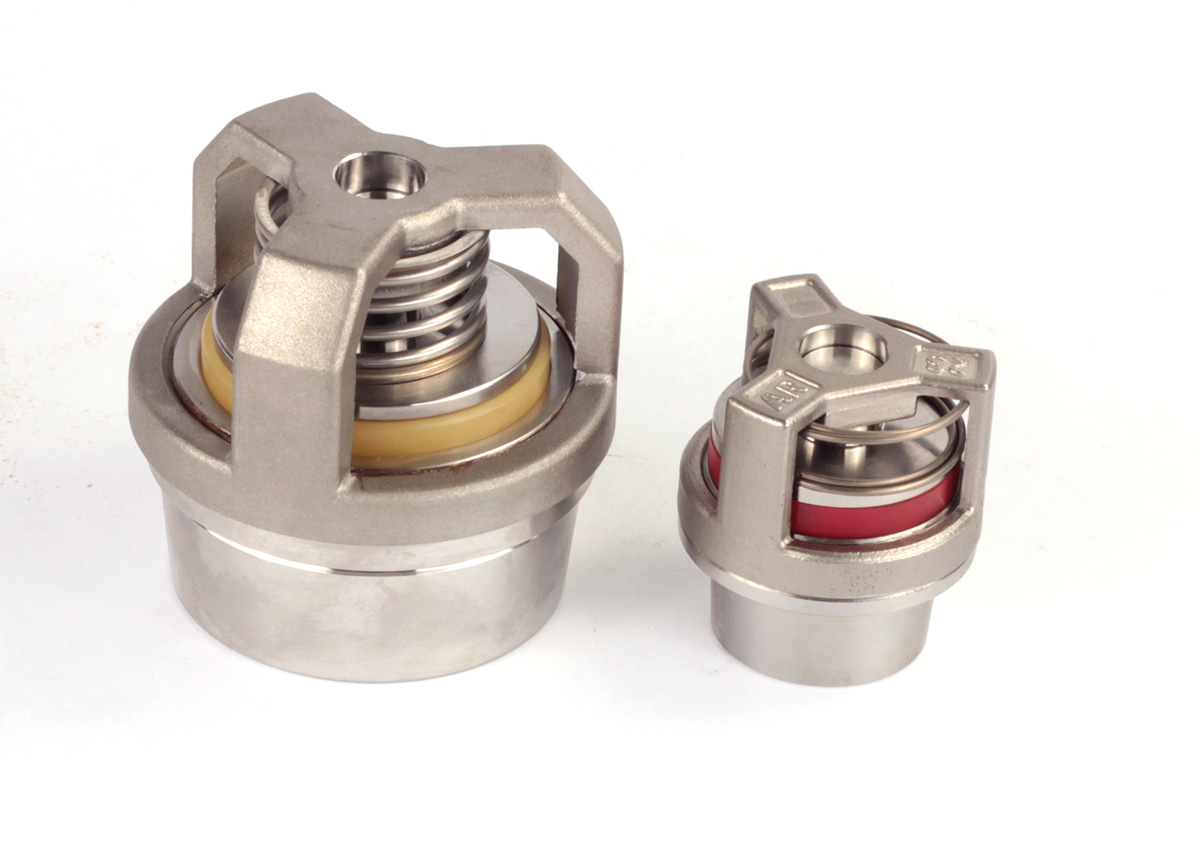
The disc valve is a design with a metal disc and a sealing ring, which fits tightly to the seat, ensuring tightness.
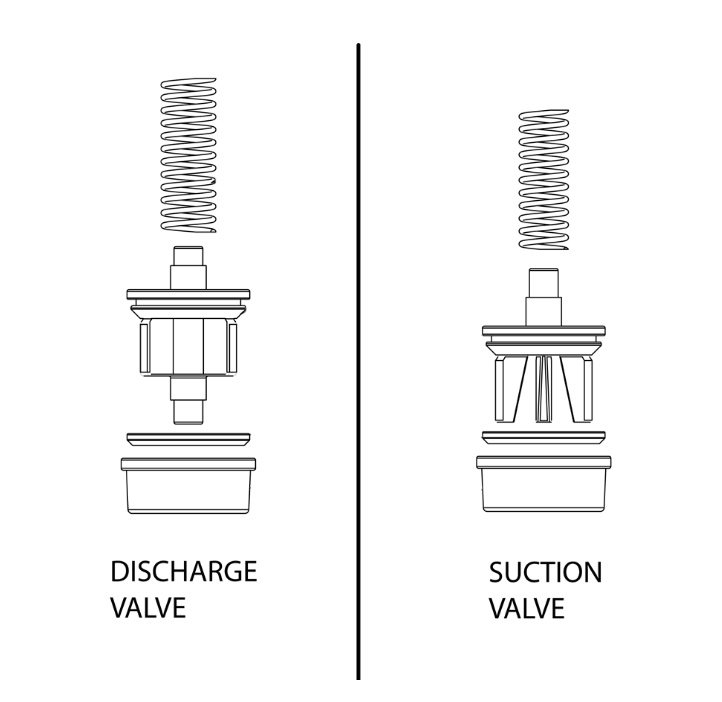
Disc valves, in turn, are of two types: suction and discharge. The structural differences are shown in the diagram below.
Suction and discharge valve illustrated using the KA-5500PT (200 Gal) mud pump as an example.
Main advantages:
- Minimal pressure loss;
- High wear resistance due to hardened steels and modern elastomers;
- Cost savings in repair: only the disc, seat, or sealing ring can be replaced if necessary;
- High-quality performance under long-term operation.
Experience of professionals: how to make a choice?
Practitioners note that there is no universal answer to the question 'which valve is better?'. It all depends on the working conditions:
- For stable drilling in soft soils and with moderate bentonite density, disc valves are more convenient;
- To increase mud pump pressure, disc valves can be installed instead of ball valves;
- For abrasive slurries, heavy loads, and complex geological conditions, ball valves have proven themselves better.
The optimal approach is to analyze the project tasks and select valves for the specific parameters of the pump and slurry. Many companies combine both types in their equipment, using disc valves for light work and ball valves for heavy work.
Comparison table: disc valve vs. ball valve for bentonite pumps
| Characteristic | Disc Valve | Ball Valve |
|---|---|---|
| Wear resistance | High durability under stable operation; hardened disc + elastomer seal retain geometry over long runs. | Very tolerant to viscous, dirty fluids with solids; seat wear can accelerate in highly abrasive slurries. |
| Pressure handling | Minimal pressure loss; preferred when higher pump pressure/performance is required. | Good for medium pressures; may show small leakage at very high differential pressures. |
| Maintainability | Serviceable: disc, seat, and seal can be replaced separately; requires a bit more precision/time. | Very simple field service: ball and/or seat can be replaced quickly with basic tools. |
| Cost | Higher upfront cost; pays off when pressure performance and extended service life matter. | Lower purchase cost; economical choice for exploration and HDD in tough ground conditions. |
What else to look for when choosing valves for a drilling pump
When selecting valves for a bentonite or mud pump, it is important to match the type of valve to the drilling conditions and fluid properties:
Ball Valve
- Best choice for viscous and thick fluids with high sludge content and solid inclusions.
- Highly reliable under abrasive loads (sand, rock particles).
- Recommended for geological exploration and HDD in tough ground conditions, where simple design and easy maintenance are essential.
Disc Valve
- Ensures minimal pressure loss and stable flow when the drilling fluid is relatively clean.
- Optimal when fewer solids are present and higher pump pressure/performance is required.
- Well-suited for long-term operations and high-pressure applications.
Conclusion: For abrasive and dirty drilling fluids containing a lot of sludge and solids, the ball valve is the optimal solution. For increasing pump pressure and working with cleaner, less abrasive fluids, the disc valve is the more rational choice.
Where to browse the range of valves for popular mud pumps?
Our company's experience allows us to offer special ball valves for FMC, Aplex, KERR mud pumps, the seat of which has a special shape that prevents washout.
You can request these valves from our specialists:
Call us: +4917684865334
send email: sales@borgpumps.com
Our warehouse is located in Hannover, Germany.